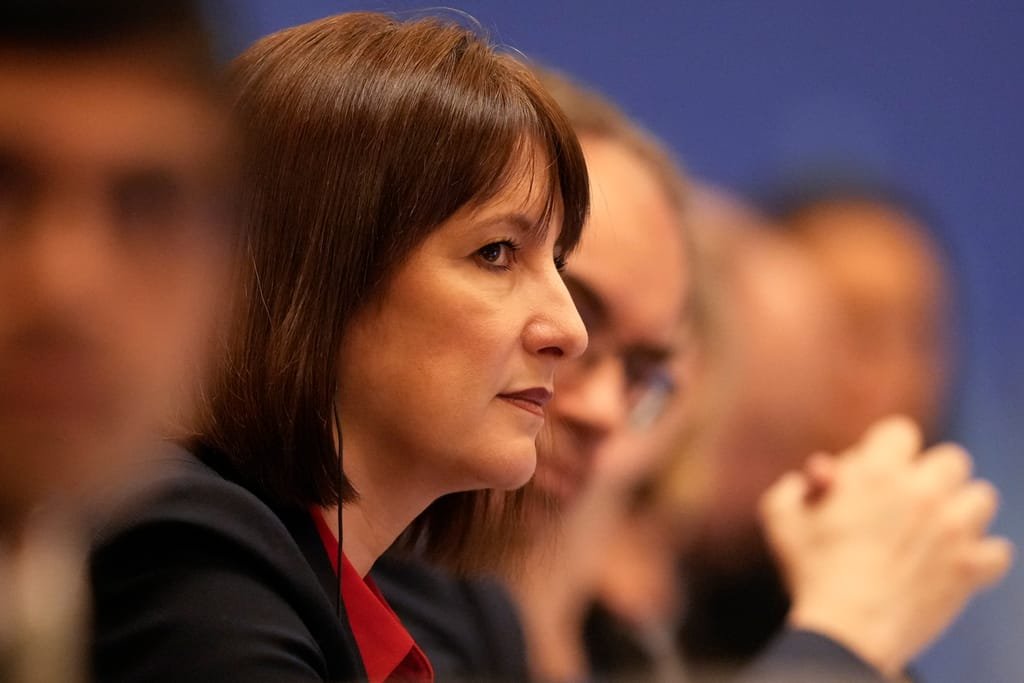
If Rachel Reeves succumbs, “the wolves” are likely to turn on embattled PM Starmer.
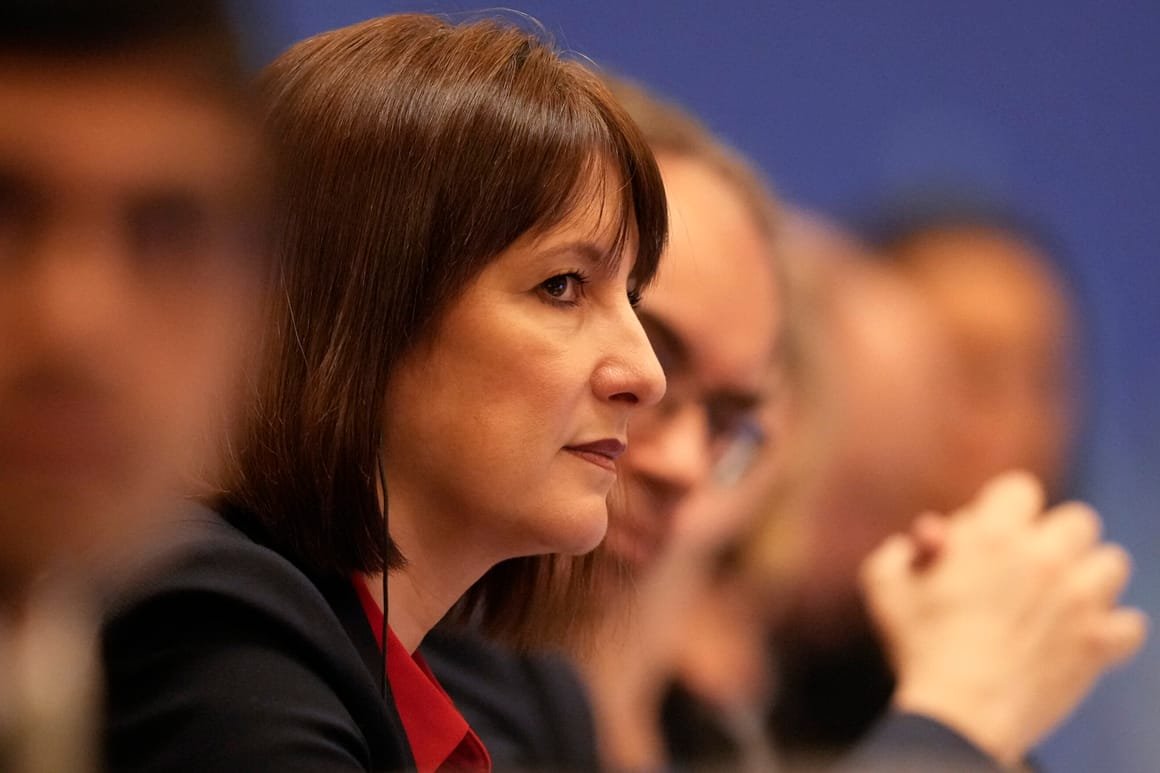
LONDON — Keir Starmer and his top finance minister, Rachel Reeves, came to power last year promising to return stability to British politics. They’re finding out it’s not as easy as it looks.
In his first speech after July’s resounding election victory, Starmer pitched himself as a leader for “stability and moderation.”
Central to that promise was his righthand woman, Chancellor Rachel Reeves, who had spent the last two years rebuilding Labour’s reputation for fiscal prudence, aided by the disastrous economic performance of short-lived Tory Prime Minister Liz Truss.
Yet Reeves now finds herself buffeted by the same harsh winds that proved fatal for Truss.
The government has been hit by nightmare headlines as sterling plummets and borrowing costs shoot up — though analysts stress it’s not on the scale of the market meltdown seen under Truss.
Economic growth, which Reeves and Starmer have trumpeted as their primary aim, remains elusive. With taxes already ratcheted up and Reeves having pledged not to fund spending through borrowing, a further spending squeeze on already-stretched departments looks likely.
The beleaguered chancellor has even received the “lettuce treatment” at the hands of the Daily Star newspaper, which famously bet that Truss would not outlast a decaying lettuce.
With Reeves running out of options so early after taking power, Labour insiders are beginning to question, in private for now, whether she can go the distance.
Global Britain
One live question is the extent to which Reeves’ current predicament is her own fault.
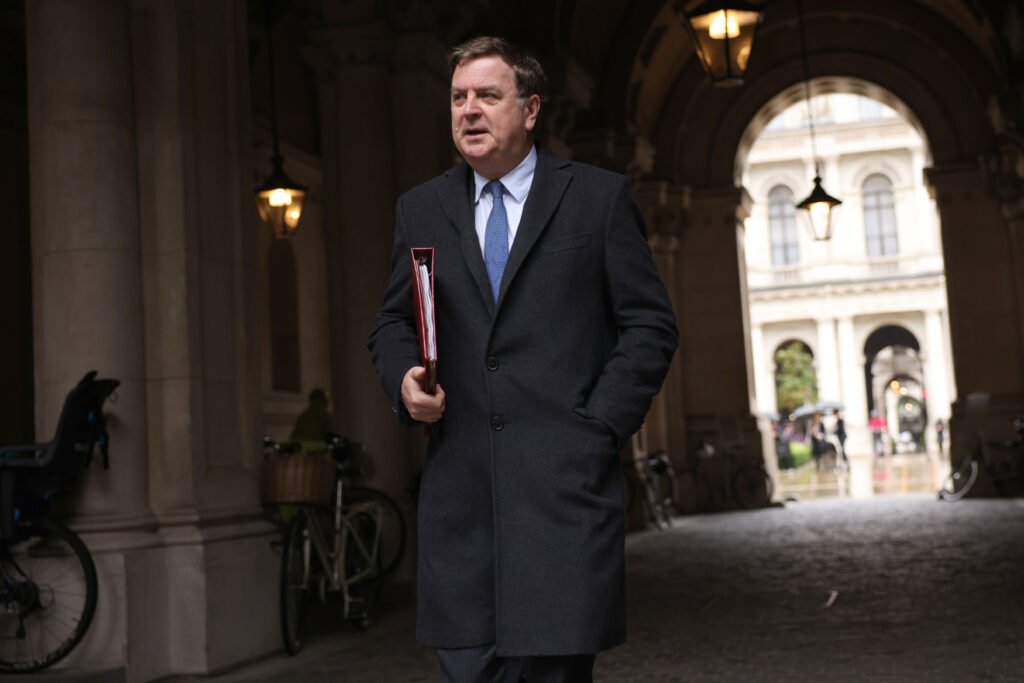
While Tory Shadow Chancellor Mel Stride slammed Reeves for a “crisis made in Downing Street” on Tuesday, Reeves defended herself, describing the movement in bond yields as “global in nature.”
“There’s been global volatility in markets,” she told MPs. “I don’t believe it is reasonable to suggest the reason why bond yields in the United States, in Germany, and France have risen is because of decisions made by this government.”
She also tried to draw a line between her own markets drama and the sharp sell-off under former Prime Minister Liz Truss — where the Bank of England was forced to step in to calm markets in an incident that ultimately forced Truss out of office.
“What we saw under Liz Truss’ mini-budget was something unique to the United Kingdom, where it was just U.K. markets affected because of the decisions of the party opposite,” she said.
Even if the wider global context is to blame, that may not help Reeves given that so many of the forces at play would be beyond her control.
Yuan Yang, the Labour MP for Earley and Woodley who sits on Parliament’s treasury committee, said the recent bond-market volatility had largely been driven by global factors.
“It does underscore how much the U.K. is one part of a much wider, interlinked global phenomenon,” she said.
Yang, a former Financial Times journalist, said the government shouldn’t shift policy because of daily market moves driven by news out of Washington.
“We’re a medium-sized economy in the global market, so we will always be affected by what happens in the U.S.” she said. “There’s no getting around that.”
Andrew Goodwin, chief U.K. economist for Oxford Economics, agreed that market troubles have been triggered by global issues. However, he told POLITICO, the chancellor did make a mistake by limiting her own room for maneuver, the “headroom” that allows a chancellor to cut taxes or increase spending without breaking fiscal rules should circumstances change.
“It’s almost entirely a global story — markets think the world will be more volatile, particularly in terms of inflation,” Goodwin said.
“But I think if gilt yields remain where they are today, then you wipe out pretty much all the headroom that she had in October. To some extent, she is paying for what we think was a mistake in the budget to leave too little headroom. She’s unlucky, but she has left herself open to it happening.”
The chancellor’s pledge not to hike taxes has left her in another tricky spot.
“It’s an interesting dilemma, she has ruled out taxes to fill any void, and cutting spending is very challenging,” Goodwin said. “If she decides to cut [departmental] spending harder, then there’s another sort of credibility issue for markets.”
Government of wobbles
Since becoming leader, Starmer has positioned himself in lockstep with Reeves and has placed their economic agenda at the heart of Labour’s project.
Unfortunately for them, their overriding objective of boosting growth through restoring stability and investor confidence has got off to a shaky start.
Kwasi Kwarteng, no stranger to shaky starts as chancellor under Truss, said: “They’re in danger from the doom loop, which is that when you raise taxes, you’re going to choke growth and so you have to raise more taxes to cover your costs.”
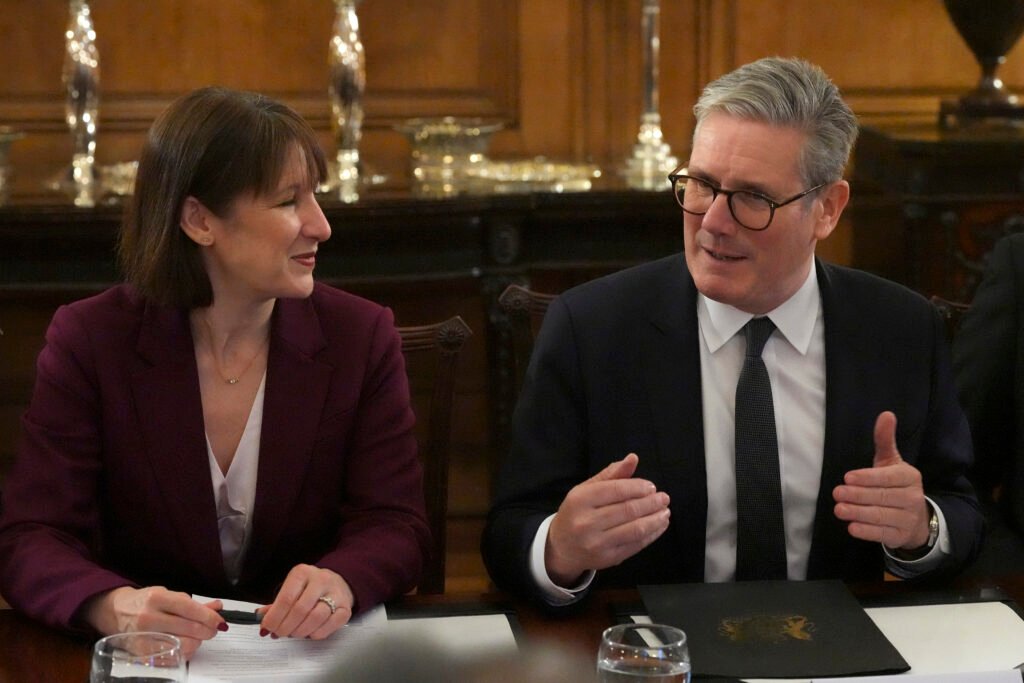
Following market turmoil over the last week, rumblings emerged that confidence in Reeves was waning among her colleagues and that she “can’t see a way out.”
Starmer himself failed to guarantee she would remain in post until the next election when asked Monday, forcing his spokesman to clarify that “he will be working with her in that role for the whole of this parliament.”
A Labour MP, who remained anonymous, later told the Telegraph that Reeves should be sacked if she hasn’t stabilized the economy by the June spending review.
One MP on the left, granted anonymity to speak freely, told POLITICO there were “lots of” MPs who are “very concerned” because “they don’t want to see their constituents get poorer, and they don’t want to see the Labour government fail.”
Buck stops with Starmer
While discontent is undeniably bubbling in Westminster, it remains under the surface for now, and will probably remain there at least until the independent Office for Budget Responsibility’s forecast in March, which will provide an independent assessment of the state of British public finances.
Reeves rebuffed her detractors as she addressed the Commons Tuesday, saying: “Leadership is not about ducking these challenges, it is about rising to them.”
Allies of Reeves and Starmer insist MPs are still overwhelmingly supportive, and there is no shortage of backbenchers willing to parrot the Labour line that the Tories crashed the economy.
Reeves appears doubly safe in her job given that her close ties to Starmer would make it difficult for her to admit defeat without engulfing him in the fallout.
Kwarteng was sacked in the immediate wake of his disastrous mini-budget, but the fallout toppled his boss only six days later.
“I don’t see how he [Starmer] could survive it if Reeves went,” Kwarteng said. “If he tries to throw Rachel Reeves to the wolves, the wolves will just come after him.”
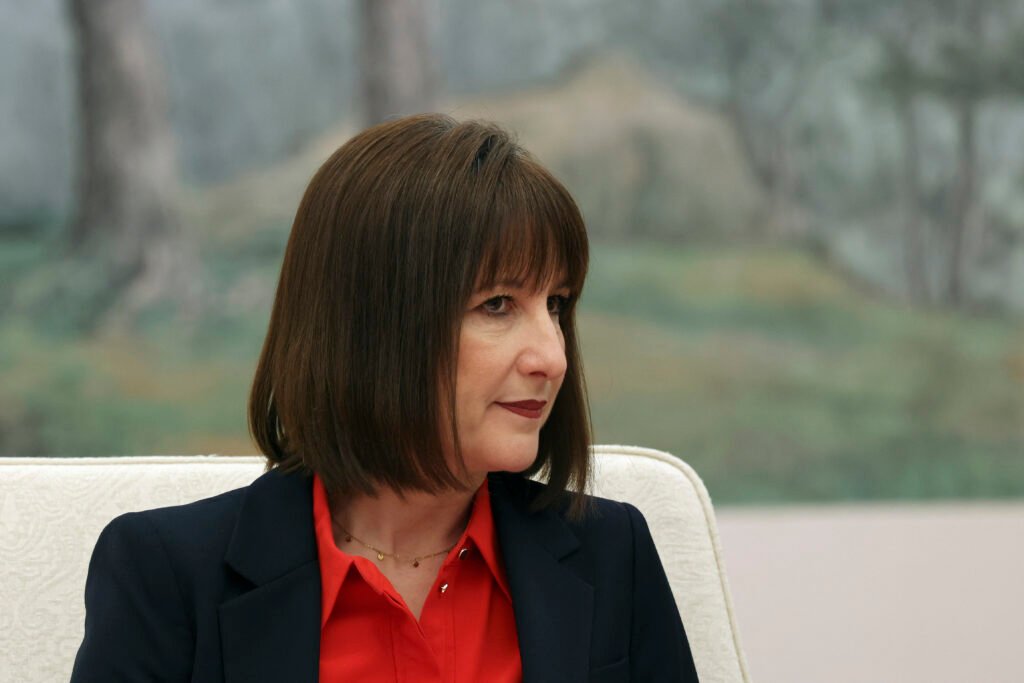
There are those, however, who venture that this is the logical end of Labour’s woes: that the narrowing circle of blame around Starmer eventually has to stop with him.
Six months in power have already seen one major reset at No. 10, with Starmer’s former top aide, Sue Gray, ousted in favor Morgan McSweeney. And yet that has done little to shift Labour’s alleged lack of a positive message, dismal poll ratings, and underwhelming economic indicators.
One Labour MP said: “It’s hard to say how much [is due to] the shit-show we inherited and how much is Reeves’s decision-making specifically. But ultimately, Keir is First Lord of the Treasury, so even if it is all the latter, he should be putting his foot down.”