Normally taciturn officials spar online over climate policy and reveal a deep split within the EU.
It was the Brussels equivalent of pistols at dawn.
Pious adherence to public unity — a watchword among European Commission officials — was briefly cast aside Tuesday in a mild spat between the current head of the EU’s climate department and its former trade lead.
While the exchange was a gourmet meal compared to the dry food the EU executive typically serves in public, it was far more notable for what it revealed about a raging debate over the past five years of fervent environmental regulation: The Brussels elite was openly quibbling over what was recently unimpeachable climate orthodoxy.
Tuesday’s dispute took place in the polite environs of LinkedIn. The Commission’s current Director General for Climate Action Kurt Vandenberghe had posted that with the U.S. stepping back from climate action, the EU’s strong green laws “may turn out to be a great asset to attract investment.”
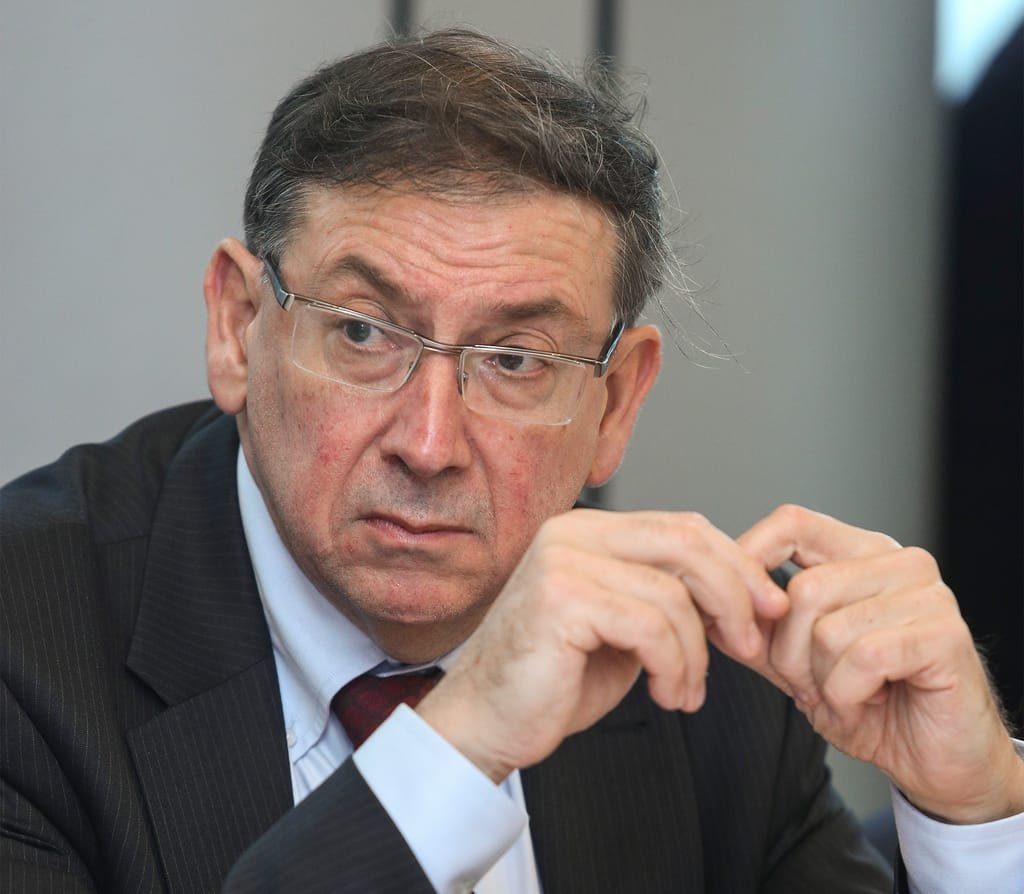
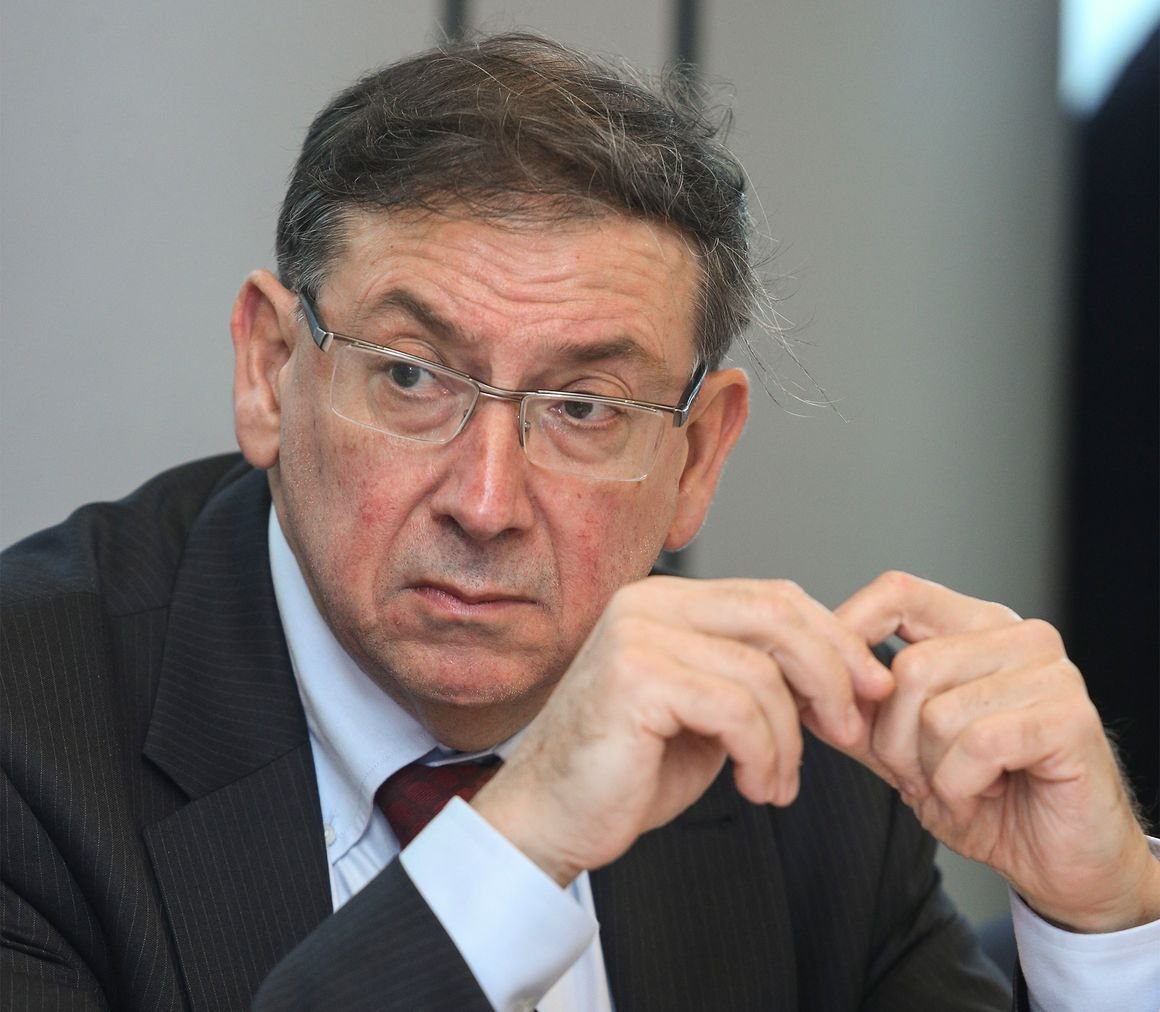
This was too much for Jean-Luc Demarty, who led the Commission’s trade department for most of the last decade and the agriculture department before that.
Demarty called the argument “not serious.” Green industries were not about to arrest the EU’s decline against overseas competitors, he said.
Even worse, the EU’s goal to zero out emissions by 2050 was “not doable” without killing key industries like car manufacturing and agriculture, added the Frenchman, whose roots are deep in the Champagne region’s farming industry.
“People are waking up. They don’t want your irrealistic dream becoming their nightmare,” Demarty concluded.
Vandenberghe’s riposte was swift and laden with statistics outlining the enormous cost burden that fossil fuels represented for the economy. The EU spends more than €1 billion a day importing coal, oil and gas, he pointed out. Backing old industries risked turning all of Europe into “one big Charleroi” — a reference to a deindustrialized city south of Brussels.
“Does Europe want to own its future (and invest) or rent it (and continue spending as before)?” Vandenberghe asked. “Yes, climate action has a cost. The cost of non-action is higher.”
The exchange raised eyebrows. Two lifetime eurocrats having it out in public was “not usual,” said an EU official, who has worked with both men and spoke on condition of anonymity. “But it is both funny and healthy.”
The timing was salient. For the last five years, the EU has favored top-down regulation to tackle problems like climate change and biodiversity loss. Now, the top political priority for leaders across the bloc is keeping industries alive.
Deregulation is du jour. On Wednesday, the Commission presented a sweeping set of reforms that mentioned “simplification” 17 times, often in connection to green legislation.
Some of this is viewed as a necessary streamlining. But “existing laws are in danger of being weakened, under the guise of simplification,” warned Mohammed Chahim, the vice president of the Socialist group in the European Parliament, also on LinkedIn.
It’s not just the EU. On Wednesday, U.K. Chancellor Rachel Reeves told environmentalists to “stop worrying about the bats and the newts” as she rolled out her own program for economic growth.
Demarty’s intervention revealed the level of frustration among some in EU circles who believe the green agenda has been mismanaged and who sense the time for a correction has come.
“We are clearly at the turning point,” Demarty said during a phone call on Wednesday.
Demarty was keen to affirm his “loyalty” to the Commission and said he broadly supported its efforts to contain climate change. He also conceded he is “not a specialist” in this area.
However, he said he had been particularly “triggered” by Vandenberghe’s assertion that the EU’s green agenda was a competitive advantage.
He said Trump’s expected rollbacks in the U.S. were a sign the EU should rally around its traditional industries.
Why, he asked, would the EU set itself at a disadvantage, especially when it emits only 6 percent of global greenhouse gases?
“I take the experience of agriculture, which is one of my specialties,” he said. “In agriculture, the EU is alone to act where the rest of the world is not acting.”
This is a point of dispute. The Commission’s “Competitiveness Compass,” released on Wednesday, maintained that clean industries were the EU’s pathway to economic renewal.
Vandenberghe did not respond to an invitation from POLITICO to comment.
“Having great respect for your leadership at the Commission, I would welcome constructive solutions” he said on Tuesday to Demarty.
“Let us continue our dialogue in private,” the Frenchman demurred.
Decorum had been restored.