Disconnecting from the Soviet-era grid faced an intimidation campaign — but it’s Moscow that could be left in a precarious position.
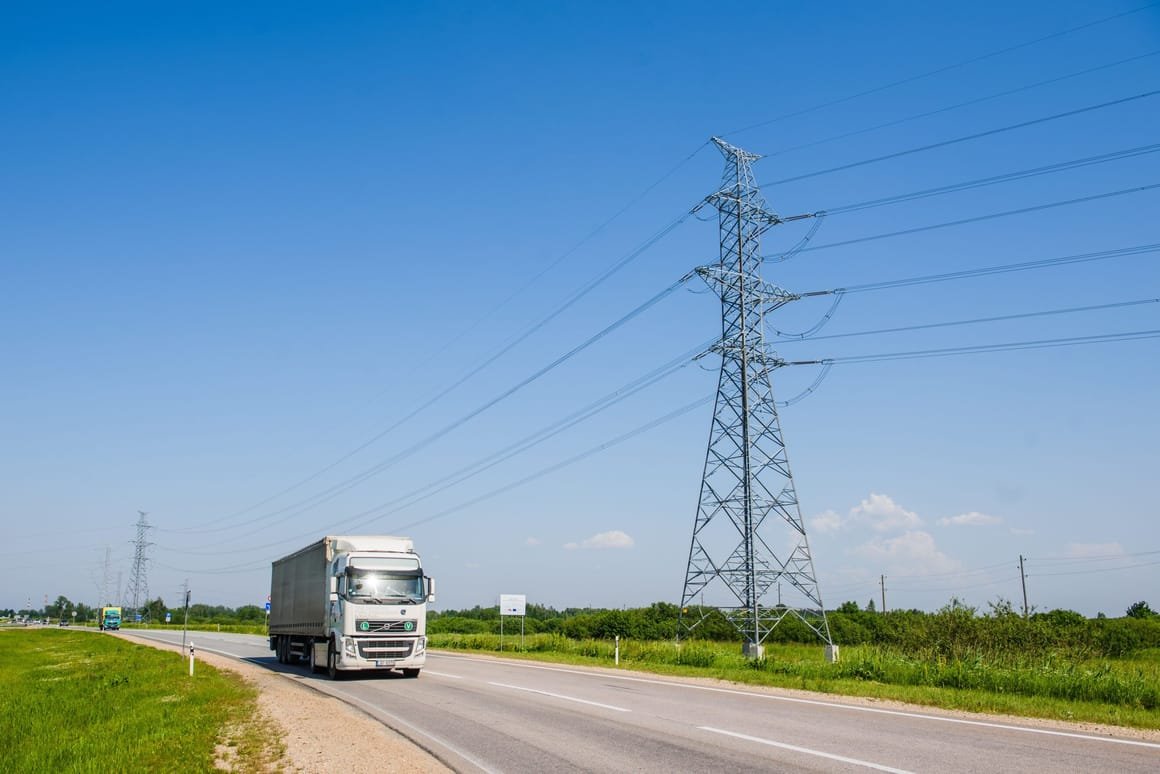
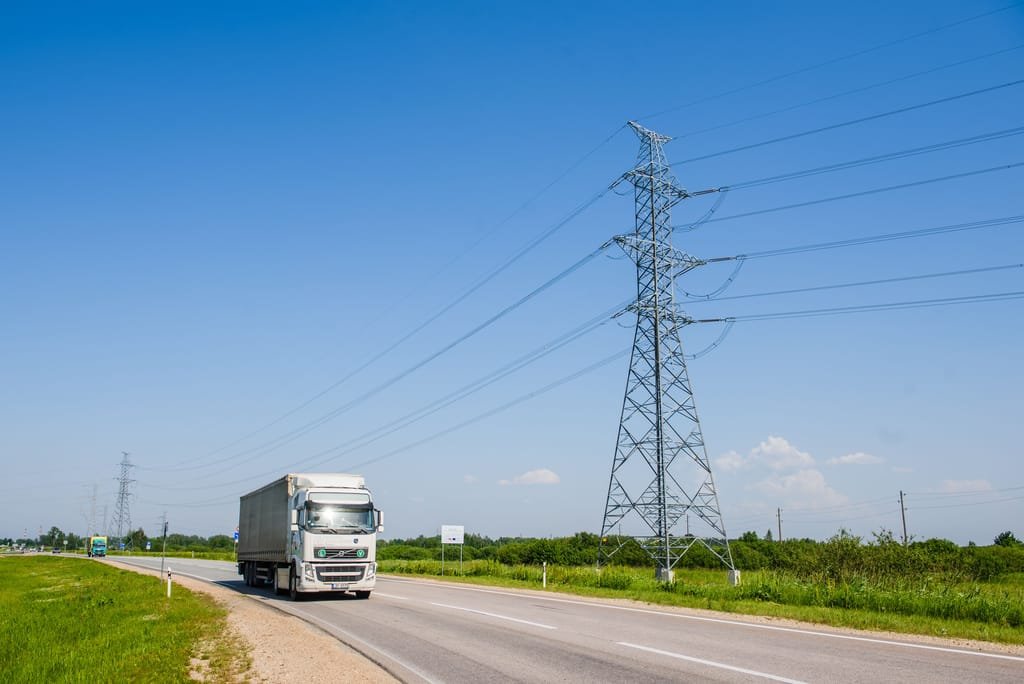
VILNIUS — Europe’s Baltic nations have cut themselves off from the Russian electricity grid for the first time in history, ending a precarious, decades-long energy partnership with Moscow.
Lithuania, Latvia and Estonia will connect to the EU’s power system on Sunday, roughly 20 years after joining the bloc and cementing a westward trajectory. The Soviet-designed network will still cover Russia and Belarus.
The move occurred under a flurry of disinformation that local leaders say was intended to sow fear about the consequences.
In the days before the disconnection, leaflets printed in Russian appeared in apartment buildings across the region, warning that « there will be no electricity » and urging residents to buy candles. In reality, the Baltic countries have not bought power from Russia or Belarus in recent years, meaning no outages or price rises are expected.
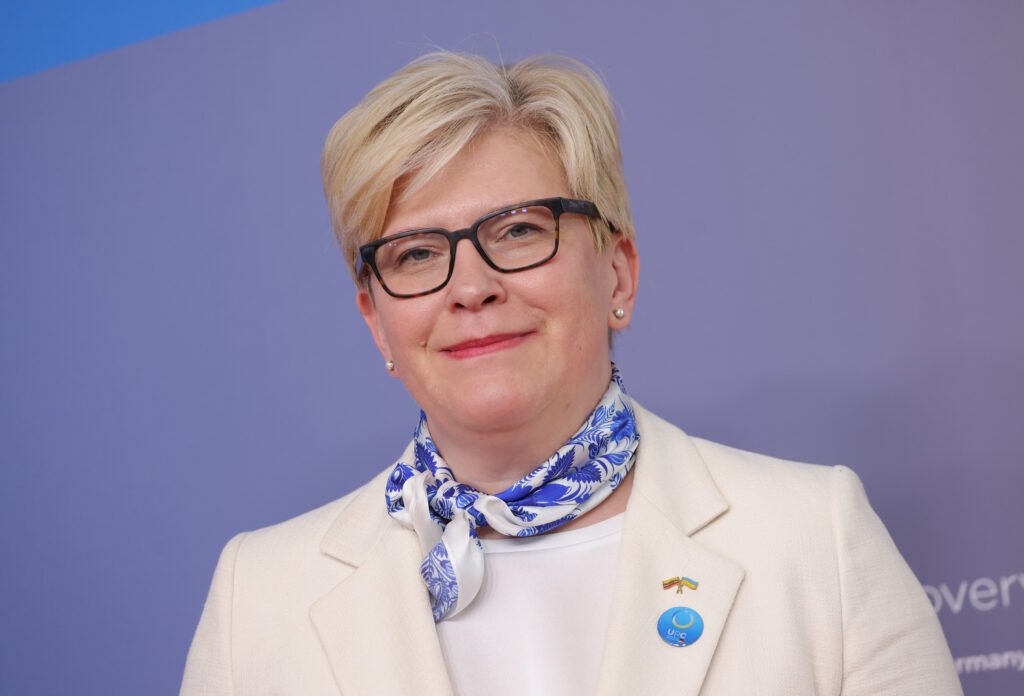
« The Russians had been threatening our electricity supply for years, » said Ingrida Šimonytė, who served as Lithuania’s prime minister until December and oversaw preparations for the switchover. « This was the last, sad remaining connection from our past that was still partially managed by people in Moscow. »
The trio of nations — which were occupied by Soviet forces as part of a pact with Nazi Germany in 1940 and gained independence in the 1990s — will operate their power grid in isolation for a day before synchronizing with the European network. That will let them import electricity from EU countries via Poland if needed.
EU energy commissioner Dan Jørgensen said the switch would “strengthen security of supply” for the whole 27-country bloc.
“It sends a strong signal that the EU stands together,” he said ahead of the changeover. “The EU has heavily invested in this project, over 1.2 billion euros. These are the kind of projects that make our Energy Union stronger.”
A mounting concern as the Baltic region enters this new era is potential sabotage to nearby undersea power cables. In just the past few months, several oil tankers have dragged their anchors across these cables, sparking fears Russia could be seeking to disrupt the process.
« Since February this year, we’ve observed a different approach from the Russian special services, » said Vilmantas Vitkauskas, head of Lithuania’s National Crisis Management Center, the government agency tasked with managing emergencies and building resilience. « Instead of so-to-speak ‘soft measures’ like disinformation or cyber, they’ve turned to more kinetic actions. »
According to Vitkauskas, giving Russian-linked vessels unfettered access to the Baltic Sea threatens critical energy infrastructure.
He suggested “a concentrated passage in the sea where exactly those ships can cross,” making it “easier for us to monitor. » Gravel or other materials could reinforce undersea cables in the area.
“The power grid operators are confident they have done what is needed to make this work without a problem, even despite some of the Baltic Sea infrastructure challenges, » said Marek Kohv, a former Estonian military official now heading research at the International Centre for Defence and Security in Tallinn.
« However, Russian disinformation has attempted to play on people’s fears, with some ordinary people worrying they have to stock up on water and tinned goods, » he added. « In reality, this information operation is the real danger, not the synchronization with the European network.”
Experts say Russia’s own exclave of Kaliningrad — an area just larger than Montenegro sandwiched between Lithuania and Poland on the Baltic coast — may actually face the most serious challenges.
The territory, home to Russia’s Baltic Sea Fleet and nearly half a million people, has historically relied on the Baltic grid to import electricity. Despite Moscow insisting the region can be self-sufficient, questions remain about whether it will now face a shortfall.
« Russia generates power in Kaliningrad by bringing gas in through Lithuanian territory, which makes them dependent on us, and they are trying to create an alternative route for liquefied natural gas through the Baltic Sea, » said Šimonytė, the former prime minister. « But for them, this is an issue — can they function like an island? They claim they can. They claimed that two years ago. They claimed it half a year ago. They claim it now. So we are going to find out. »
« The Russians say we should have stayed connected and gone back to buying their electricity, » she added. « But the problem is that we would have been funding Putin. We would be acting in a way, as Lenin once said about the bourgeoisie, where they sell us the rope they will hang us with. »
Victor Jack contributed reporting from Brussels.