

The British prime minister is a methodical lawyer shaped by international rules. His critics argue that’s dulling his political instincts.

LONDON — Brits sent for a lawyer at last year’s general election. Now they’re finding out there may be hidden costs.
Prime Minister Keir Starmer’s record as the country’s former top prosecutor gave him a sharp point of contrast with the chaotic — and often scandal-prone — Tories he replaced in the 2024 landslide that swept Labour to power.
But in office, his much-hyped reputation as “Mr Rules” is coming back to bite him.
Starmer entered politics relatively late in life, after a distinguished career as one of the country’s top lawyers which culminated in a job as the director of public prosecutions.
During years of Conservative melodrama, Starmer’s legal credentials were held up as an asset. He would provide seriousness and probity after a period of chaos, the theory went.
Since entering No. 10, his legal background and his methodical approach to political problems are being talked about as an Achilles’ heel at a time of rising populism at home and abroad.
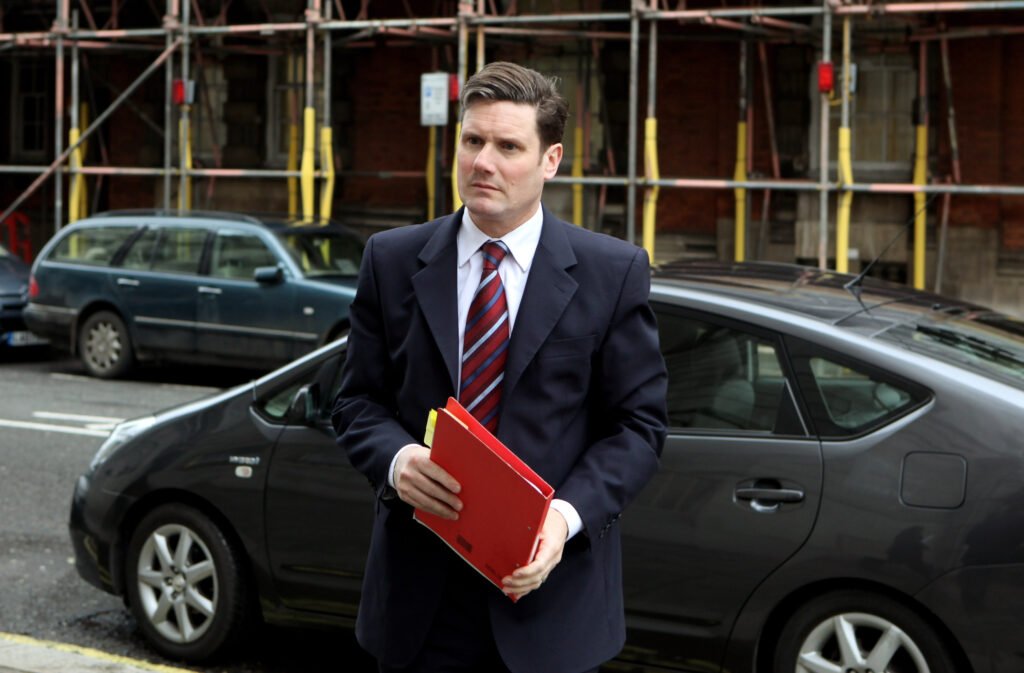
An early scandal over accepting freebies dented his reputation — and more recently critics have accused him of blunders on the global stage born out of his deep reverence for international law.
What’s more, with Donald Trump back in the White House, Starmer’s progressive faith in the post-1945 world order looks in danger of being steamrolled.
Laying down the law
Starmer has been getting it in the neck lately over his proposed deal to hand sovereignty over the Chagos Islands to Mauritius, which is expected to cost £9 billion or more while allegedly opening the region to increased Chinese influence.
Opponents blame the decision on a so-called “Matrix Chambers mindset.”
The epithet refers to one of the country’s most prestigious law practices, which has a focus on human rights. Starmer himself did not work there but at Doughty Street, a similarly prestigious and progressive outfit.
His close friend Richard Hermer, whom he appointed attorney general, belonged to Matrix Chambers, where he acted for high-profile figures such as Irish republican Gerry Adams. Philippe Sands, the human rights lawyer who has represented Mauritius in its claim to the Chagos Islands, is also a Matrix man and friend of Starmer.
Critics argue this set is focused on upholding an outdated, activist view of international law to champion the rights of the underdog above Britain’s national interests.
One person who worked with Starmer described the proposed Chagos deal as “fucking nuts” and warned that at times the PM veered too far towards “Matrix Chambers radical chic.” Like others in this piece, they were granted anonymity to speak frankly about sensitive matters.
A Labour MP with experience of the justice system said that Starmer knew how to balance the law and politics, but they could not say the same for Hermer, who has been under intense scrutiny in recent weeks.
The MP said there were concerns about “whether he’s a politician, whether he understands the politics enough — and I share those concerns.”
An ally of Hermer said the attorney general was “fully focused on working constructively with his colleagues to deliver this government’s agenda.”
Lawyer’s brain
More broadly, Starmer has faced persistent claims that lawyerly instincts are stronger than his political antennae.
Kemi Badenoch, the Conservative Party leader, branded him “a lawyer, not a leader” in one of her more memorable lines at PMQs.
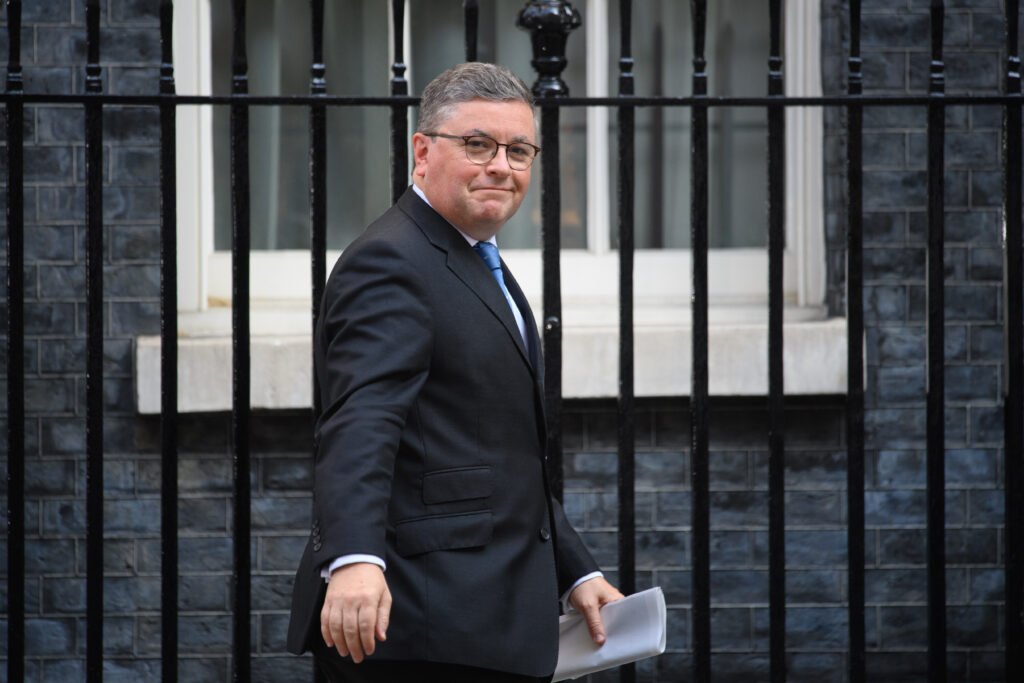
Robert Buckland, Conservative former justice secretary and ex-barrister, told POLITICO: “A 30-year career at the bar really does enter the soul.”
“You can see how it affects his instincts,” Buckland said, adding that politicians often have to respond quickly to events. “That goes against every instinct that the lawyer would have, which is to pause, weigh it all up, and then come to a considered view.”
One foreign diplomat who observed Starmer at an international summit suggested that the PM works his problems through “IRAC” — a legal method that stands for “issue, rule, analysis, conclusion.”
This plodding approach could explain why the government has sometimes been flat-footed in a crisis.
Case for the defense
Other Westminster insiders are left unconvinced by this line of attack on Starmer.
Dominic Grieve, who served as attorney general under David Cameron before falling out with the Tories over Brexit, observed that Starmer arrived at a time when the Conservative government had “routinely suggested that it could ignore international law.”
He would be able to turn the page on “a pretty tumultuous period for a country that historically has always prided itself on observing the law of the land and international law,” said Grieve.
Starmer would likely reject the idea of seeing international law and British interests in opposition to one another. He described international law as a “lode star which has guided me” and part of a proud British tradition, in comments to his biographer Tom Baldwin.
Allies insist it’s not true that the prime minister always thinks with a lawyer’s brain.
The Labour MP quoted above highlighted moves to make it harder to challenge planning applications in the courts and his commitment to clamp down on immigration despite potential clashes with human rights law.
One thing is hard to dispute, however. Starmer’s allegiance to the law, and particularly international law, now stands in sharp contrast to the attitude of the new U.S. president.
Nile Gardiner, a British foreign policy analyst at the Heritage Foundation, which has close links to Trump, argued Starmer was in sympathy with “all of the international institutions — a mindset completely different to that of the new U.S. administration.”
Starmer the lawyer would not have minded, but Starmer the politician has to.
Dan Bloom and Annabelle Dickson contributed to this report.