Uncertainty over whether America is still a reliable ally is helping the cause of EU countries pushing for more defense spending.
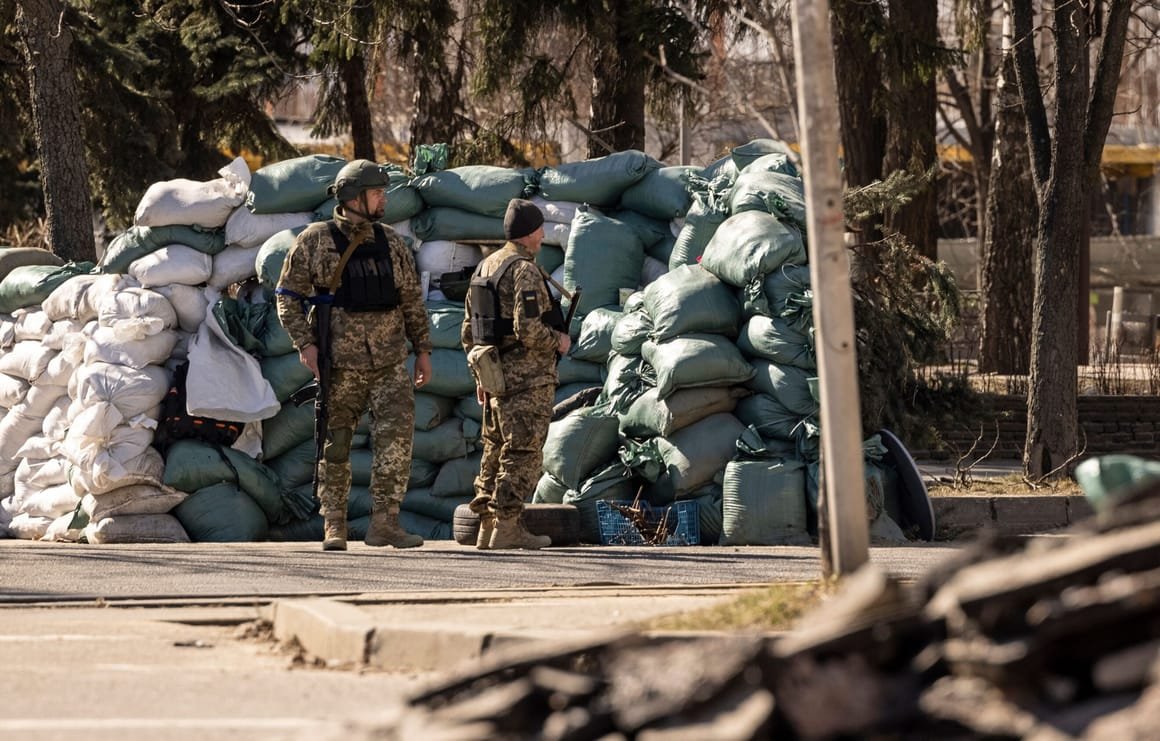
With fears growing that Donald Trump may sideline U.S. allies and do a deal with Moscow, countries on the EU’s eastern flank are pressing for the bloc to spend more on defense to ensure the continued support of the American president.
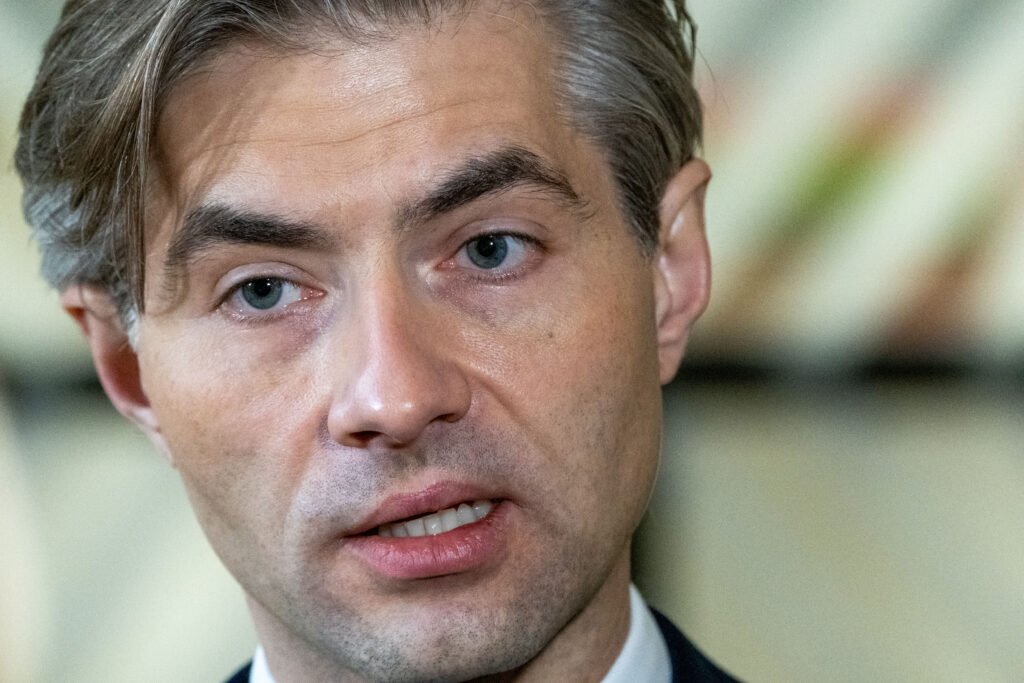
“This is the time for Europe to step up,” Lithuanian Foreign Minister Kęstutis Budrys told POLITICO in an interview amid talks with other top European diplomats in Brussels this week. “It’s not just about the frontier nations — we can be in wartime soon, and we can’t just be looking at one country and complaining about it.”
Leaders from across the continent will be in London on Sunday to agree their response after the U.S. held direct talks with Russia to discuss normalizing relations. They’ll also hear from U.K. Prime Minister Keir Starmer, who will give them a read on Trump after this week’s visit to the White House.
EU countries will hold an emergency meeting on March 6 to work out how to boost defense spending and how to send more military aid to Ukraine.
Lithuania, Poland and other countries bordering Russia — which have long called on their neighbors to take collective defense more seriously — are seeing that as an opportunity.
According to Budrys, if countries aren’t prepared to take charge of both their own security and also support Ukraine, they will continue to be sidelined when decisions are taken about the future of the continent.
“If we are not showing the U.S. that we are stepping in with some big money here … I do not see the reasons why the EU, or Europe, have to be at the table when the negotiations start,” he said.
Poland is using its influential six-month rotating presidency of the Council of the EU to try and do the same, Warsaw’s undersecretary of state for EU affairs, Magdalena Sobkowiak-Czarnecka, told POLITICO.
“We need higher expenditures on defense in every member state,” she said. “From the begining of our presidency we were trying to convince our partners to think about security the way Poland thinks about security.”
“There are two groups of countries when it comes to defense spending and it’s pretty easy to guess which want to spend more. But I see more countries start to understand that they need to do more,” the minister said. “It’s not only because of the potential peace talks, but there’s also a feeling that Europe needs to have its own agenda and not be surprised by other partners in the world.”
Poland is the top spender in NATO, with its defense budget accounting for 4.7 percent of GDP. Lithuania has agreed to raise its budget to 5 percent of GDP from 2026 — the figure Trump is demanding for the whole alliance.
Poland is among the countries pushing for the EU to loosen its budget and deficit limits to allow for higher defense spending, something Commission President Ursula von der Leyen has pledged to do.
Sobkowiak-Czarnecka said officials will have to consider how to unblock funding through EU-wide schemes, but also partner with banks and financial institutions to raise cash.
“We cannot just be looking around, waiting for the moves of other global actors and then decide what to do next — we need to do it the other way around,” she said.
Ahead of the EU leaders’ summit, European Council President António Costa sent member countries a three-point questionnaire: What a peace deal for Ukraine could look like; what security guarantees were needed; and whether Brussels should appoint a special envoy to deal with negotiations.
Washington’s move to cut both the EU and Ukraine out of its outreach to the Russians has shocked even steadfast supporters of the transatlantic relationship, as they fear they might be left to face Russia alone.
“What we are living is something totally extraordinary,” said a senior EU diplomat, granted anonymity to speak frankly.
“What we have seen the new president say, post [online], is something we don’t know how to respond to because it’s so enormous, so irrational … we are still trying to come to terms with it to understand what is happening, and what dawns on us is he is turning on us — turning the U.S. on us — and that is shaking structures.”