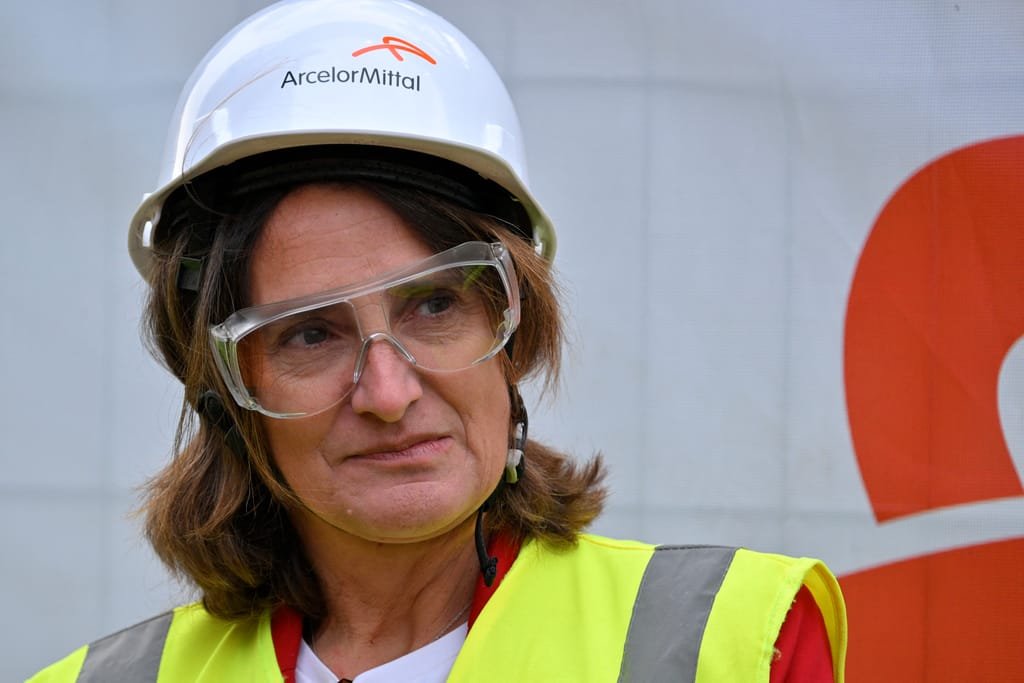
Labour MPs — and opposition lawmakers too — are asking for a parliamentary say on any British escalation.
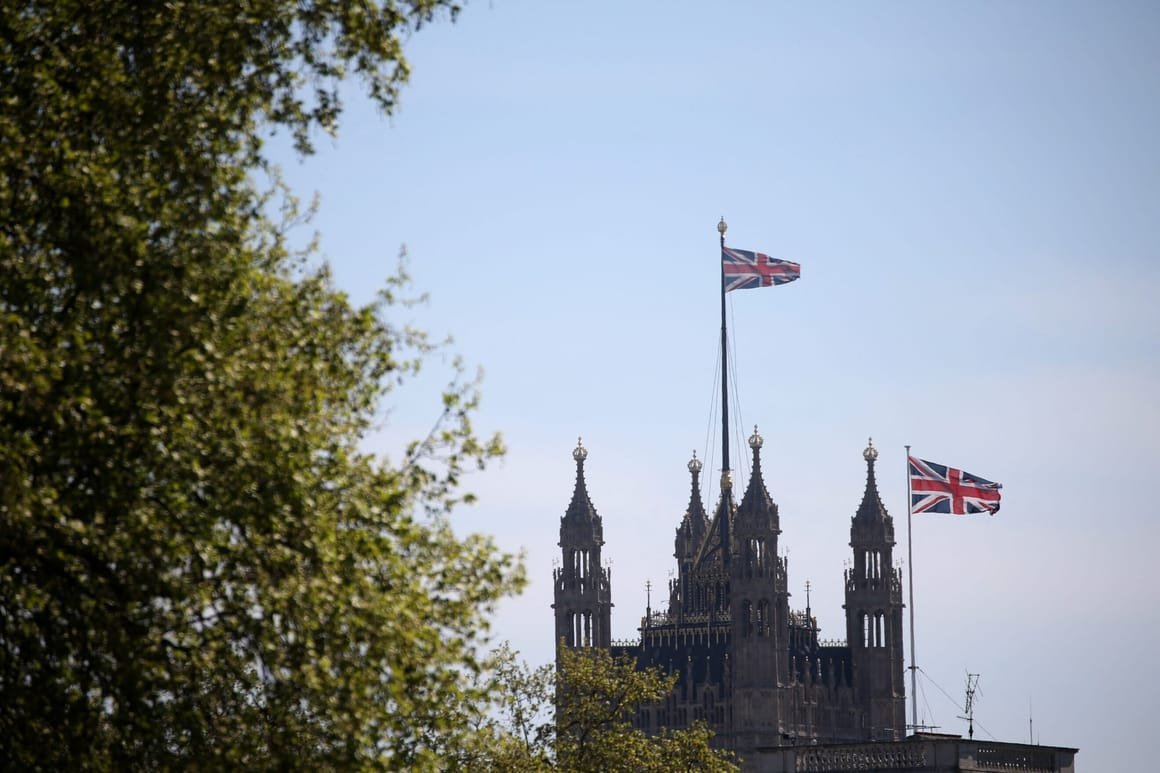
LONDON — Keir Starmer wants to send troops to Ukraine as a post-war peace-keeping force — but the country’s lawmakers already want a say.
MPs from across the main parties told POLITICO they think parliament should be involved in any decision to deploy peacekeeping troops on the ground in Ukraine — after the prime minister made clear he is « ready and willing » to put troops from the United Kingdom in harm’s way.
« The U.K. is ready to play a leading role in accelerating work on security guarantees for Ukraine, » Starmer wrote in a Telegraph newspaper op-ed Sunday, days after U.S. President Donald Trump began talks with Russia about ending the war.
That’s sparked an immediate debate in London about the ability of lawmakers to shape the response — with some pushing for a parliamentary vote and others keen not to bind the prime minister’s hands.
« [There] certainly should be a Commons vote, and after failing in Basra and Helmand I would take some convincing, » the long-standing Labour MP Graham Stringer said, referring to British interventions under Tony Blair in the noughties in Iraq and Afghanistan.
Left-wing Labour MP Diane Abbott added on X that if British troops on the ground are required, « parliament should vote on it first. »
Fellow left-leaning Labour MP Clive Lewis told POLITICO Monday evening: “In times of crisis, we all want strong leaders. But strength and wisdom are not a zero-sum game — true leadership requires both.
« Involving parliament in this decision demonstrates both those qualities. This course of action could put U.K. troops in harm’s way against a nuclear power, without U.S. support. That demands deeper and broader debate. We need public buy-in for such a move, and parliament is essential in ensuring that.”
Asked on Monday if MPs will get a vote in parliament on any military action, Starmer’s spokesperson pointedly did not rule out such a step.
But they said the administration said they won’t « get ahead » of itself. POLITICO asked Starmer on a trip to Kyiv last month if he’d commit to a vote on any British peacekeepers. He declined to give such a commitment.
‘United front’
MPs from Westminster’s opposition parties are demanding parliament’s involvement, too.
« We support the prime minister’s proposals on Ukraine — and we have also always supported parliament having its say on military deployments, » Helen Maguire, the defense spokesperson for centrist opposition party the Liberal Democrats said.
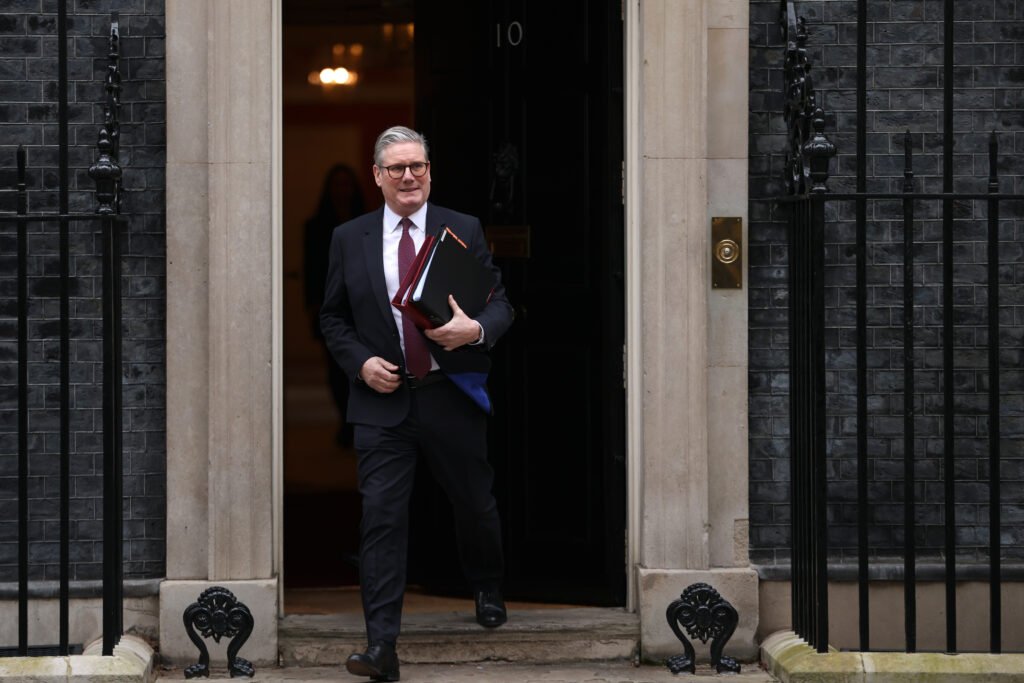
« The prime minister should confirm that any proposals will be put to Parliament, so that we have the opportunity to endorse them, » Maguire added.
John Whittingdale, a long-serving Conservative MP, said that MPs would « expect parliament to debate and possibly vote on » Starmer’s proposal. Mark Garnier — a Conservative front-bench spokesperson — said that « although PMs can deploy forces without reference to parliament, Tony Blair set the precedent » now used. « Starmer should do the same, » he added.
Two other Conservative MPs, John Cooper and Neil Shastri-Hurst, said they believe the Commons will want to have an opportunity to debate the issue. Cooper said it was « vital » to keep parliament abreast of developments in order to preserve parliament’s « united front on Ukraine. »
‘Micro-manage’
During his campaign to win the Labour Party’s leadership in 2020, Starmer pledged to create a law requiring « the consent of the Commons » for military action.
But last year, he backed U.S-U.K. air strikes in Yemen without a parliamentary vote. He later argued on the BBC that a vote was only needed when « deploying troops. »
No soldiers have yet been officially deployed to Ukraine, although previous reports based on leaks suggested British troops had already been active in the country since Russia’s invasion.
Julian Smith, a former Conservative chief whip who fought to keep Conservative MPs on side in the Brexit years, argued against getting House of Commons sign-off this time around.
« The government should be very wary about having parliament micro-manage troop deployment and military action more generally. As the Syria vote showed, giving 650 MPs who did not have the full information did not end well, » Smith said.
In 2013, then-PM David Cameron lost a Commons vote on military action in Syria — a move which led to the blocking of Britain’s involvement in U.S-led strikes after Cameron resolved to respect the Commons’ decision.
One Labour MP, granted anonymity to speak frankly, argued that it is much more important « to just get on and do it, » rather than worrying about consulting a parliament that is likely to be overwhelmingly in favor of the action anyway. « This isn’t like Iraq, » they argued.
« But this is incredibly fast-moving and we need to act accordingly — and that includes increasing our defense spending quickly and strategically, » the MP said.
Emilio Casalicchio and Tim Ross contributed reporting.