


EU Migration Commissioner Magnus Brunner warns that most rejected asylum seekers never leave the bloc.
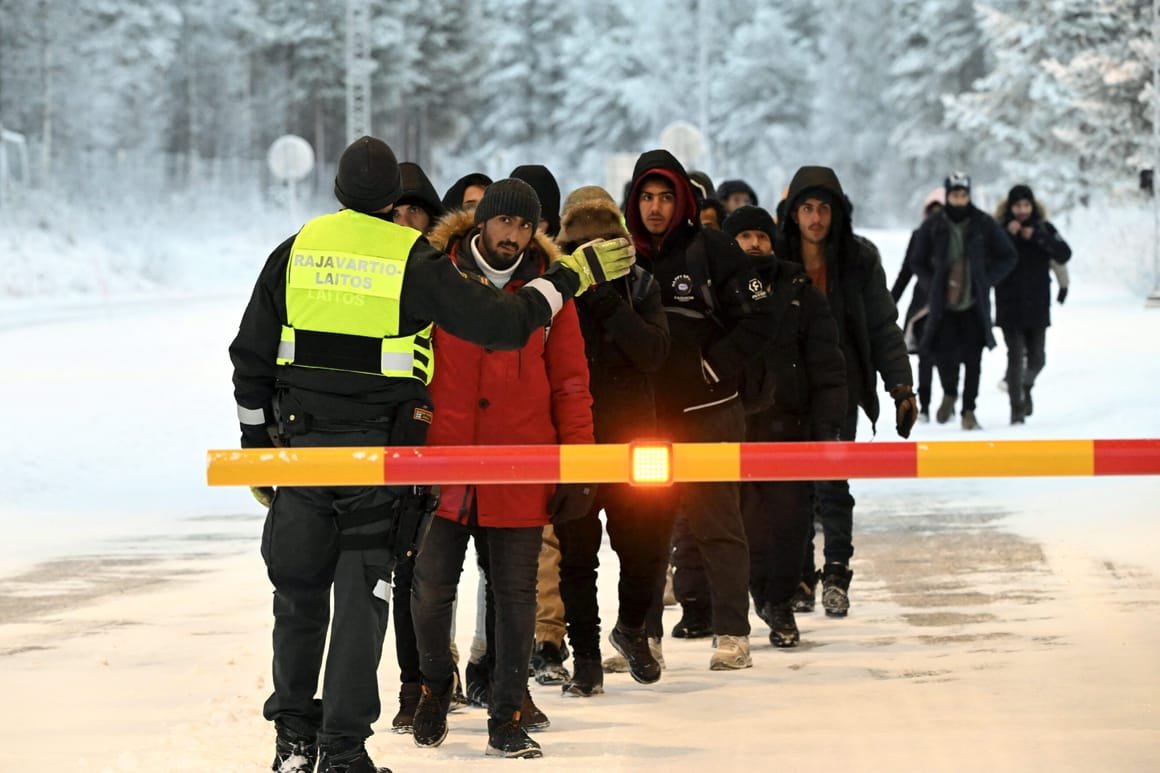
The European Commission is preparing to overhaul the EU’s deportation system in a bid to accelerate the return of rejected asylum seekers and criminal migrants, EU Migration Commissioner Magnus Brunner told Welt am Sonntag in an interview published Saturday.
The plan, expected to be unveiled on March 11, aims to toughen rules for migrants who refuse to cooperate with authorities, including imposing “harsh consequences” for noncompliance, the newspaper quoted Brunner as saying.
“The outcome must be that when a return decision is issued, it is actually enforced,” Brunner said in the interview.
The move comes as migration remains a top political priority for the EU executive under European Commission President Ursula von der Leyen, with Brussels under pressure from EU countries to improve enforcement coordination and tighten asylum rules. Von der Leyen has made stricter migration enforcement a key focus of her second term, backing policies to strengthen EU border security, speed up asylum procedures and improve returns.
While Frontex, the EU’s border agency, recorded a 38 percent drop in irregular arrivals last year — to the the lowest level since 2021 — returns remain slow. More than 480,000 third-country nationals were ordered to leave the EU in 2023, but only one in five did so, according to Eurostat data.
Brunner, an Austrian national and former finance minister, is also pushing for tighter detention rules for deportees deemed security risks.
“Dangerous individuals slip through the cracks and commit crimes,” he said in the interview. “Rules for security risks must be significantly tougher — including detention to prevent them from disappearing before deportation.”
The Commission is also exploring offshore “return hubs” in third countries willing to accept deportees — a legally fraught idea reminiscent of the U.K.’s Rwanda asylum plan and Italy’s Albania deal. EU attempts to establish such partnerships have struggled due to limited cooperation from origin countries, persistent legal challenges and concerns over human rights violations.