
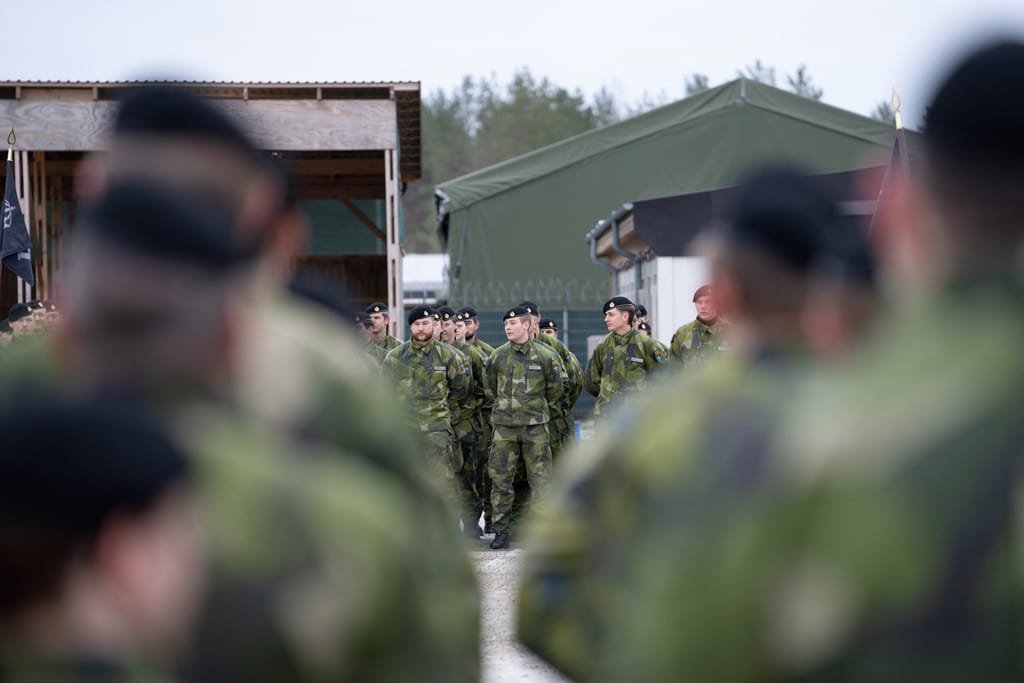
The move would allow governments with overstretched budgets more flexibility under the bloc’s debt and deficit rules.
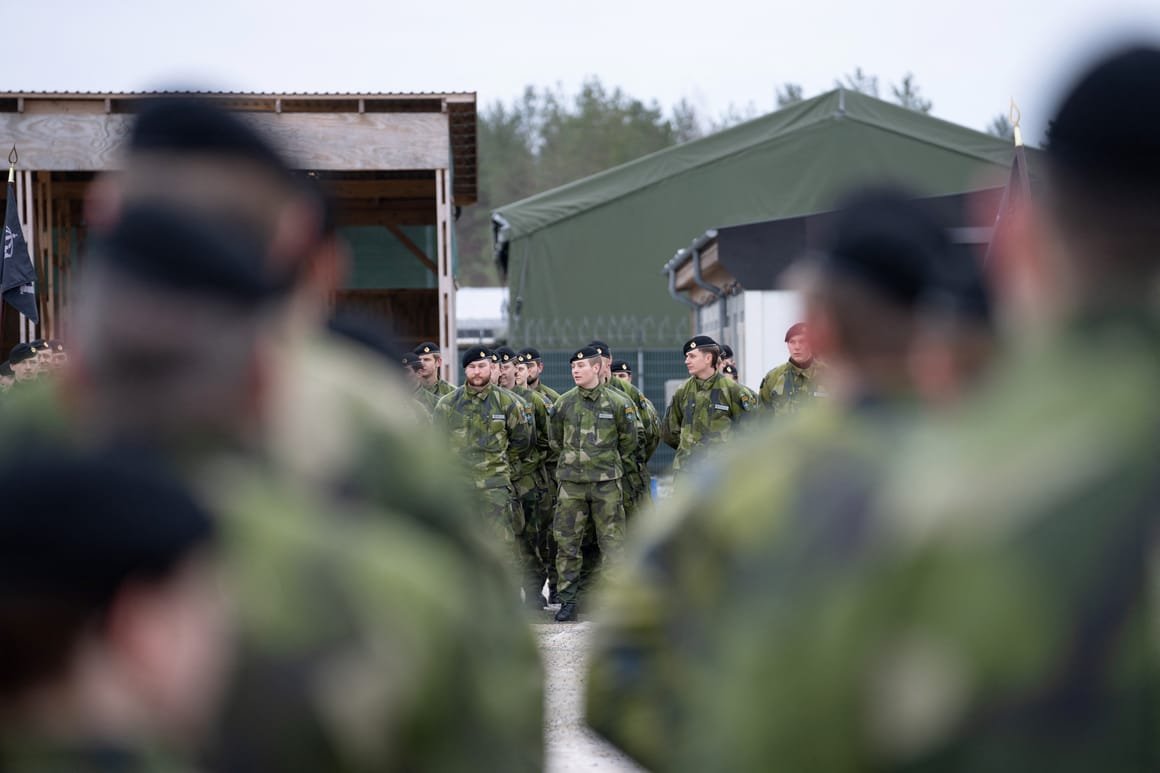
BRUSSELS — European Union governments will be able to increase military spending without falling foul of the bloc’s budget rules under plans to expand what can be classed as defense investment.
The costs of military staffing and equipment maintenance — which currently count toward a country’s deficit figures that are strictly policed by the European Commission — could be considered alongside core defense spending, four officials, three from national governments and one from the EU, told POLITICO.
Europe is desperately searching for ways to fund its defense needs as the war in Ukraine enters its fourth year and United States President Donald Trump demands the hiking of defense spending to 5 percent of gross domestic product.
The EU’s spending rules aim to keep national budget deficits — the amount governments spend relative to what they bring in — at less than 3 percent of the size of the economy and public debt at no more than 60 percent.
But countries can be granted more time to get to these levels if they invest in defense. They can also escape a punitive measure — known as an excessive deficit procedure — if their extra spending is related to defense.
The proposed broader definition — which is still just one option under consideration — would be a gift for countries with overstretched budgets, such as Italy with its debt mountain or eternally overspending France, and governments like Poland, which is under Commission monitoring for an excessive deficit despite spending heavily on defense.
The plan is to include in the definition “all increased investment like manpower or maintenance of new equipment — not only purchases of equipment,” said one of the officials who, like others in this article, was granted anonymity to talk about confidential discussions.
Expanding the definition of defense spending is the second piece of the “extraordinary measures” to boost the bloc’s military capacity that Commission President Ursula von der Leyen floated in her meeting with EU leaders on Monday, as POLITICO revealed.
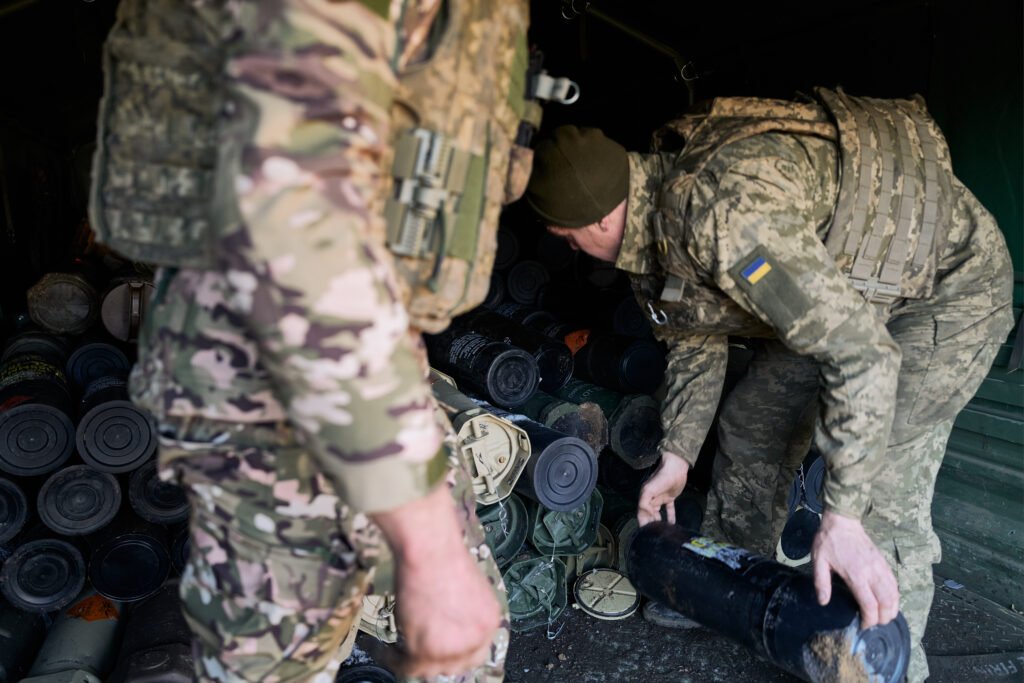
The first was an emergency clause that countries could trigger in the case of events beyond their control, which would allow them to deviate from previously agreed fiscal paths.
Fiscally conservative states led by Germany opposed this option during a meeting of EU treasury chiefs this week.
There are lingering concerns, however, that merely expanding the definition of defense won’t be enough for highly indebted government such as Italy, Spain and France to increase their defense budget without making cuts elsewhere.
A decision on the options under consideration should be made relatively soon, according to the EU official.
Creative solutions
In light of past financial crises, the Commission sees its reformed fiscal rules — which entered into force just one year ago, but have been labeled as too strict by countries such as Italy and Poland — as sacrosanct.
But it is also trying to find creative solutions to allow for more flexibility.
Officials from European finance ministries have been working with the Commission’s economic department on the issue for some time, several EU diplomats told POLITICO.
The unexpected move from von der Leyen last Monday has accelerated that ongoing work.
However, while the proposal risks triggering a debate on what kind of defense investment the bloc needs, it is also seen as one of the few viable options to dovetail the EU’s targets.
A senior EU diplomat said it is a way to give “relief” to other countries in light of Germany’s resistance to more creative roads to increase EU defense spending, referring to German Chancellor Olaf Scholz’s opposition to issuing eurobonds for defense.
Eastern and southern European countries, plus France, “can work” to support changes the Commission is considering, the diplomat said. “Eastern countries stress how preparedness is important, and that means expenses for transporting troops and being ready for military mobilization.”