
The EU grants billions each year to nonprofits. Now, a right-wing campaign has NGOs afraid the money will dry up.
BRUSSELS — Europe’s nongovernmental organizations are getting worried.
The sector, which boasts the second-biggest army of lobbyists in Brussels behind business, has been locked in a fierce battle with conservative lawmakers for months over the use of European Union grant money for lobbying.
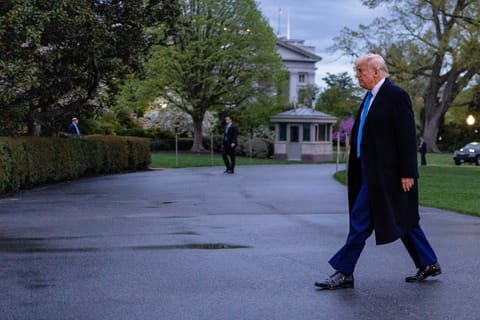
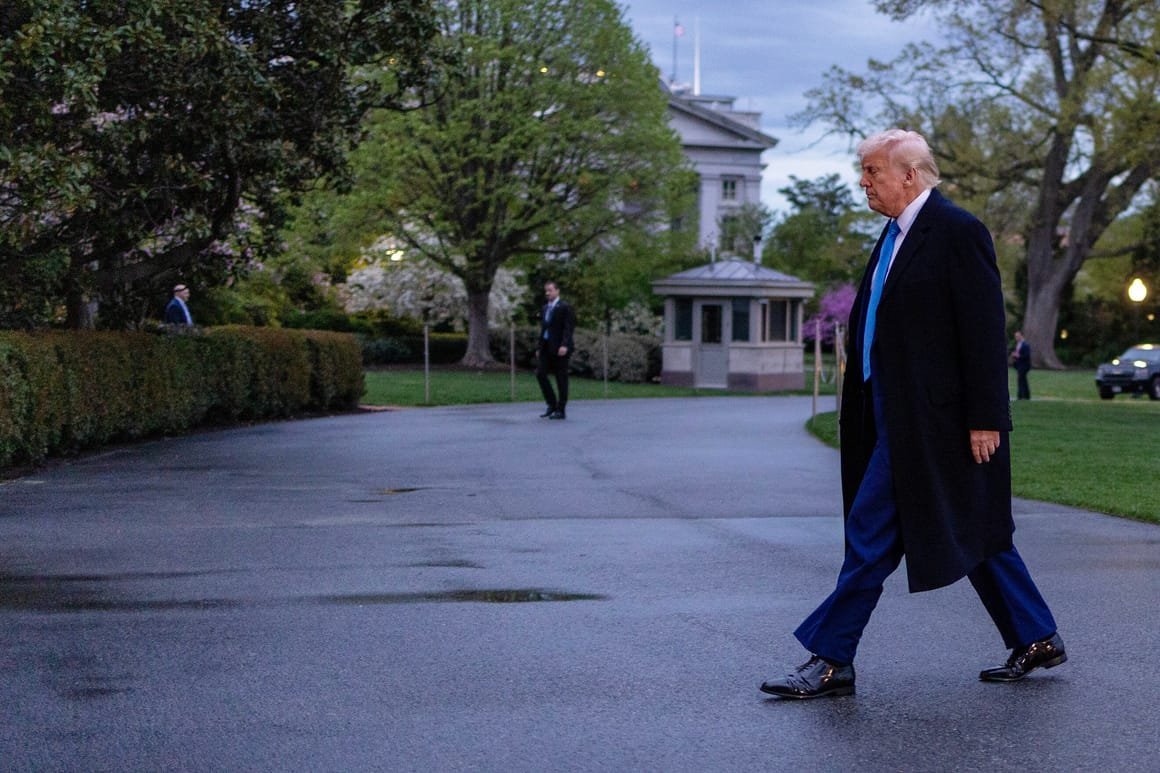
A series of recent setbacks gave members of the European Parliament the upper hand in that battle, leading NGOs to warn of a Donald Trump-inspired campaign to defund them.
The damage started earlier this month when the European Commission admitted that some funding contracts with NGOs included what it considered to be « undue lobbying activities, »confirming claims from the center-right European People’s Party.
A damning report by the EU’s financial watchdog, the European Court of Auditors, followed last Monday, slamming the Commission for an “opaque” system with limited oversight on how EU grant money to NGOs was being spent. Then, on Tuesday, MEPs passed amendments calling on Brussels to increase scrutiny over how NGOs spend EU grants.
The painful week follows months of attacks against civil society groups from right-wing MEPs, who accused the Commission of using taxpayer money to get NGOs to lobby on its behalf.
“It’s been stressful and, frankly, frustrating,” said Faustine Bas-Defossez, director at the European Environmental Bureau. “NGOs across Europe — many already stretched thin — have spent months responding to what is clearly a politically motivated and fabricated scandal.”
Nicholas Aiossa, director of Transparency International EU, went further, telling POLITICO that the center right and far right “are waging MAGA-inspired attacks on NGOs,” in a reference to Trump’s “Make America Great Again” slogan.
“As the far right and some in the EPP feel emboldened from what they see with Trump and [Elon] Musk, it’s clear the endgame of this spurious smear campaign is to defund NGOs,” he added. Earlier this year, the Trump administration dismantled the $20 billion annual USAID foreign aid program, a key funder of NGOs globally.
If the NGO sector’s fears are realized, it could seriously hobble the influence of civil society groups in Brussels, some of which rely on the EU for half of their funding.
MEPs leading the charge on the issue insist the point is not to reduce funding to NGOs, but simply to increase transparency. « We are not here to attack NGOs — most do excellent work, » said Tomas Zdechovsky, a Czech MEP from the EPP group who leads the group’s work on the topic in the budgetary control committee.
The aim is to have an « open dialogue » about « what we can do together for more transparency, » he added.
Warning of budget cuts
But NGOs don’t accept such reassurances, and fear the incremental steps will eventually lead to budget cuts.
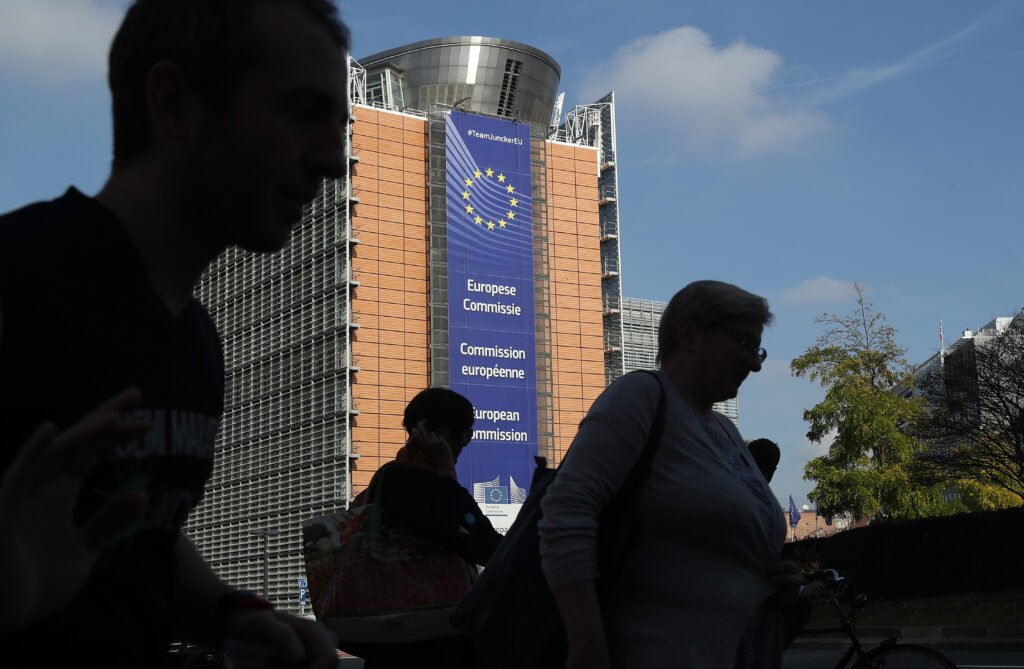
And there’s evidence they could be right. Last Wednesday, POLITICO reported that health NGOs had been told by Commission officials not to expect any operating grants from its health directorate this year. That prompted 28 health NGOs to write a letter to Commission President Ursula von der Leyen requesting an urgent funding update.
Meanwhile, some green NGOs that rely on operating grants from the EU’s environmental funding arm, LIFE, have had to retract references to conducting advocacy work to secure funding.
At the heart of the NGOs’ concerns are the upcoming budget talks in Brussels, which will determine how the EU spends its money for the next seven years.
The first set of negotiations on the EU budget — known in Brussels as the Multiannual Financial Framework — indicates that dedicated funds for research or climate action could be redirected toward the EU’s new financial priorities on defense and industrial growth.
The EU committed around €7.4 billion in funding to NGOs between 2021 and 2023, either directly or through national governments, and many organizations rely heavily on this source.
NGOs, including those that receive EU funding, have built up a huge presence in Brussels. More than 3,800 NGOs are currently registered in the EU Transparency Register, which discloses groups actively lobbying EU institutions. That’s just a fraction behind companies and well ahead of industry associations.
The large presence of NGOs in Brussels has meant there are loud advocates for many causes that are unpopular with conservative and pro-business groups, such as stringent environmental regulations. NGOs warn that reducing public funding would diminish this voice, boosting the lobbying clout of commercial interests.
Restricted movements
The Commission had already told NGOs they can no longer use grant money explicitly for lobbying activities, but this hasn’t appeased conservative MEPs, who continue to push the matter.
“This whole campaign is a way to prepare an attack against funding for civil society in the next MFF,” said Carlotta Besozzi, director of Civil Society Europe, pointing to “a much more difficult climate” where far-right political groups, emboldened by having gained a large number of seats in the last EU election, “are hostile to civil society.”
Besozzi argued that attempts by right-wing forces to eliminate funding for civil society in the next budget would result in a “space where only those with wealth will have the opportunity to be heard at EU level.”
“This will also prevent civil society and independent media from holding EU institutions accountable and [from] fight[ing] corruption,” she added.
The center-right EPP, meanwhile, insists this is not about cutting funds for civil society organizations.
“We are not really here preparing any revolution which will stop financing NGOs,” the EPP’s Zdechovsky added. Instead, the party is pursuing « concrete examples » of « around 20-25 NGOs [that] we have to check » to see if money has been misused.
But NGOs aren’t buying it. “Yes, we are worried,” said the EEB’s Bas-Defossez. “The stakes are simply too high not to be.”
Max Griera contributed reporting.